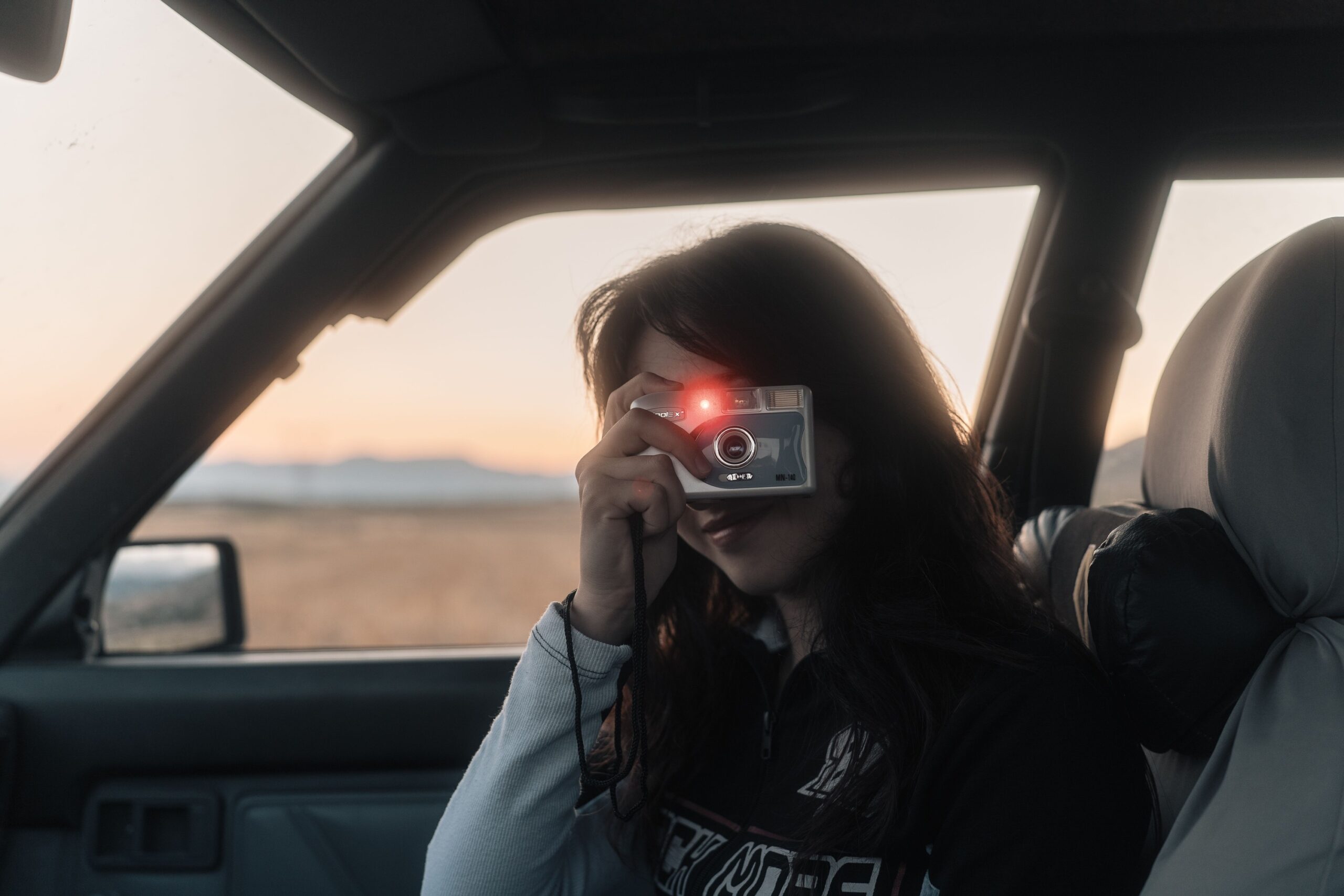
For a generation raised on speed, slowness has become surprisingly appealing. Gen Z grew up with an almost endless supply of entertainment within reach. There is always another video to watch, another notification to open, another piece of information waiting to be absorbed. Yet somewhere between infinite scrolling and increasingly intelligent algorithms, young people have begun looking backward, toward crochet hooks, film cameras, pottery wheels, vinyl records, scrapbooks, sewing machines, and coloring books.
The nostalgia is peculiar because much of it belongs to a past they never actually experienced. A 2025 study by the Archbridge Institute found that 68% of Gen Z adults feel nostalgic for eras that came before them. Perhaps what they miss is not the past itself, but what they imagine it contained: fewer screens, fewer interruptions, and the possibility of doing one thing at a time.
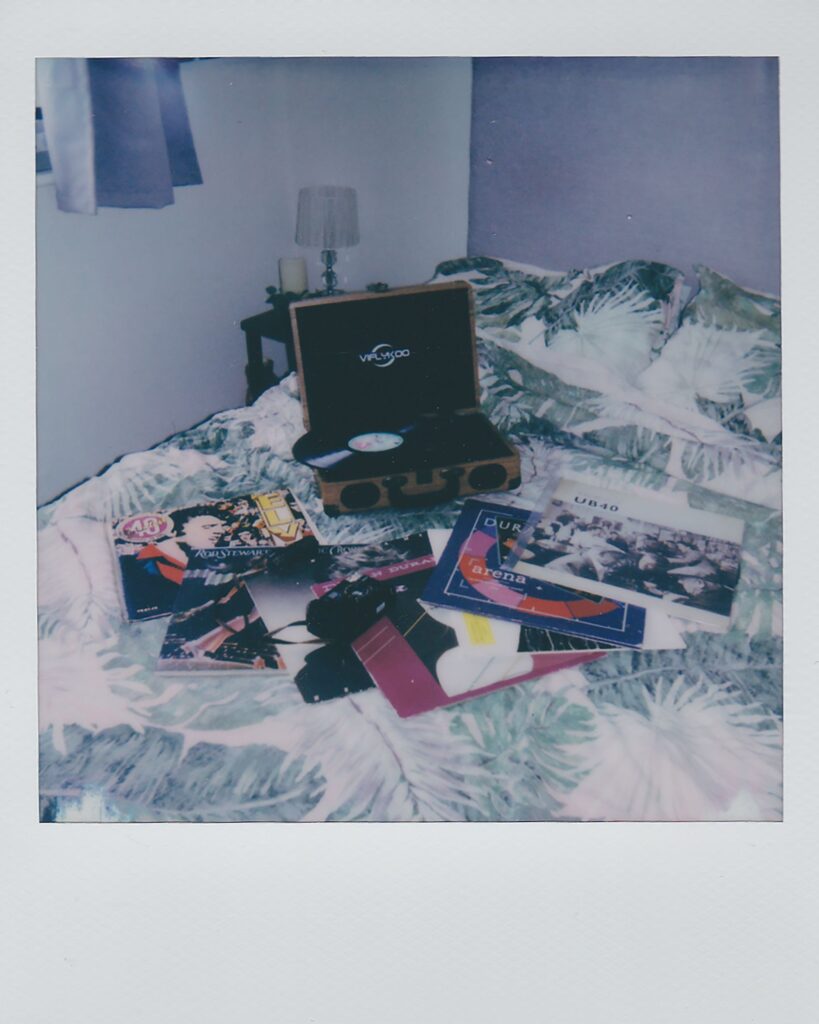
A manual hobby offers precisely that. Crochet cannot be refreshed. Clay does not send notifications. A roll of film has a limited number of photographs, and a collage requires the almost absurdly physical process of cutting something out and gluing it somewhere else. These activities demand attention in a culture built to constantly divide it.
There is an element of escapism here, but not necessarily one of complete disconnection. Ironically, many of these offline hobbies begin online. TikTok has become a major discovery and learning platform for activities such as painting, photography, sewing, and embroidery. The same feed people want a break from teaches them how to put the phone down. And once the phone is down, something else happens: hobbies become social.
Craft clubs, pottery workshops, painting sessions, collage nights, and other creative gatherings are turning solitary activities into reasons to meet in person. What might once have been learned from a relative at home can now become an event, a community and, increasingly, a business. The desire to disconnect has created its own market, built around materials, workshops and spaces where making something is as important as meeting someone.
Traditional companies are feeling the effect as well. Brazilian textile manufacturer Círculo has reported growing interest from younger consumers, while Singer says 76% of its sewing-machine customer base is now between 18 and 39 years old. Fujifilm has also seen the analogue revival translate into demand, since sales of photographic film in Brazil doubled over five years, according to the company.
What Gen Z is buying, then, may be more than yarn, cameras or ceramics. It is time — or at least a different experience of it. In a digital world where speed is treated as efficiency and every idle second can be filled with content, spending an afternoon making something imperfect can feel almost indulgent.
The irony is that these hobbies rarely stay entirely offline. The finished crochet piece is photographed. The pottery class appears on Instagram. The collage club becomes a TikTok recommendation for someone looking for a new way to disconnect.
Perhaps that contradiction is exactly what makes the trend so representative of Gen Z. They are not abandoning the internet for an imaginary analogue past. They are borrowing its slower rituals to make the present a little easier to live in.
Business & Lifestyle files are reported by the desk and carry no byline.