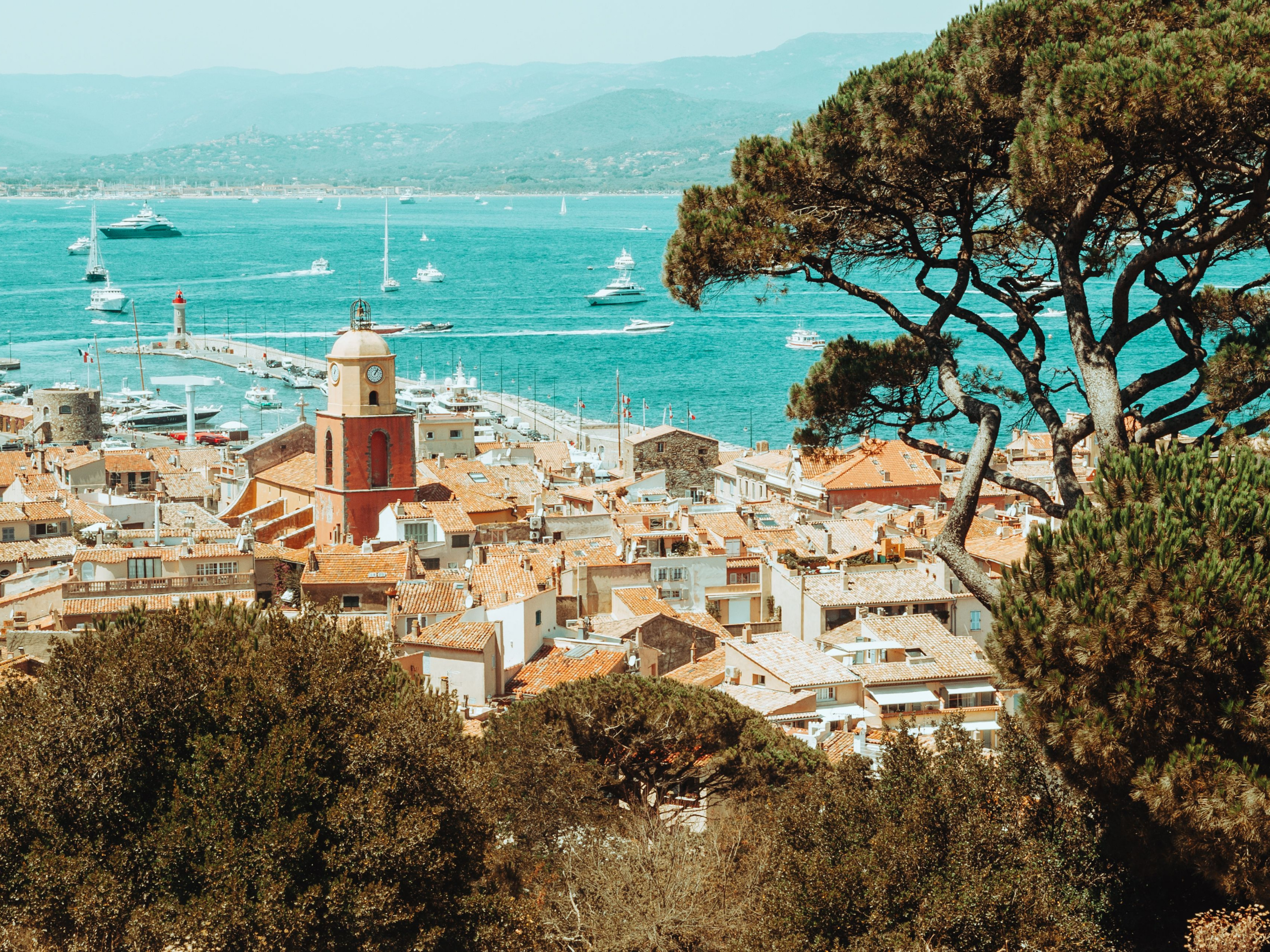
Saint-Tropez has always been more than a summer destination. It is one of those rare places where geography, cinema, fashion, hospitality, and social imagination have merged into a single cultural image. The name alone carries a certain rhythm: the harbor, the Mediterranean light, the narrow streets, the beach clubs, the boats, the long lunches, the late nights, and the idea of a season lived with intention.
But what keeps Saint-Tropez relevant is not only its beauty. Many places are beautiful. Saint-Tropez has something more difficult to build: identity.
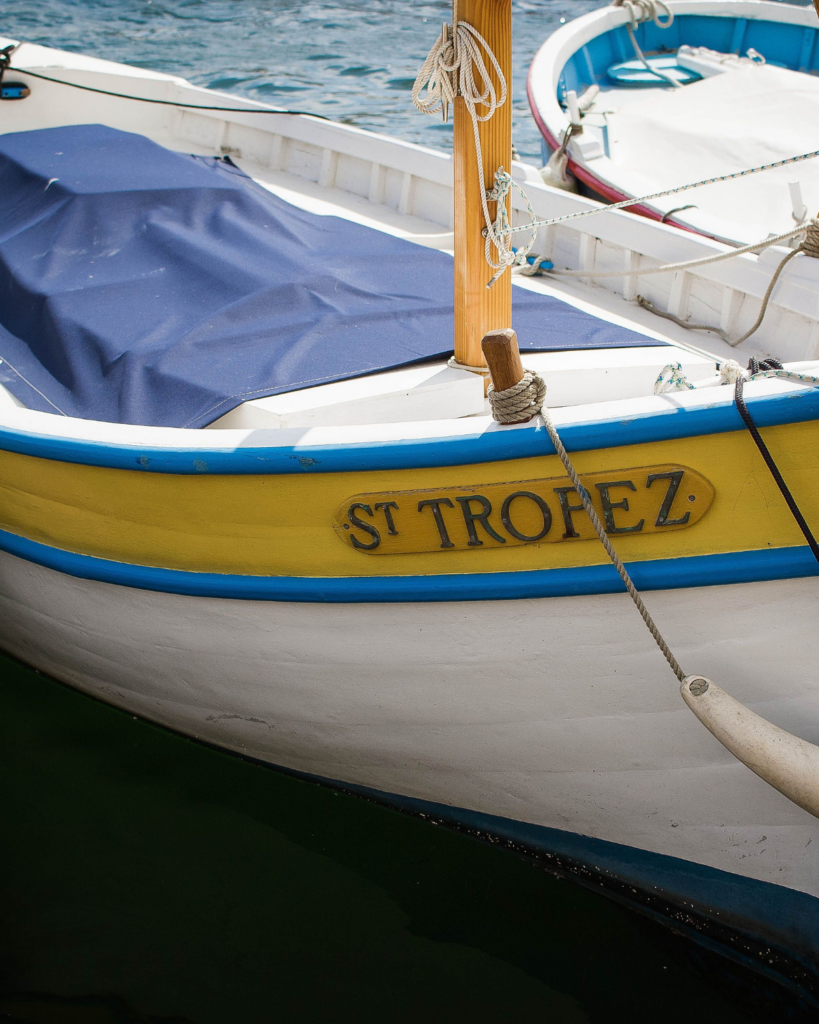
Before it became an international symbol of Riviera life, Saint-Tropez was a small fishing village with a layered history. Its transformation was not immediate. It was shaped slowly through artists, sailors, cinema, and the arrival of figures who understood the power of atmosphere. By the mid-20th century, the village had become part of a new visual language: less formal than Paris, less corporate than Monaco, and more intimate than Cannes. It represented a kind of freedom that was elegant without being rigid.
That is part of its lasting appeal. Saint-Tropez does not operate only through monuments. It operates through ritual. A morning walk through the old town. A table by the water. A day at Pampelonne. A quiet entrance into a hotel that knows discretion is part of service. A night that begins without hurry. These details create the destination’s real currency: not spectacle, but belonging.
For business leaders, founders, investors, and cultural tastemakers, destinations like Saint-Tropez matter because they are not simply places to rest. They are environments where access, reputation, and lifestyle intersect. The right destination can function almost like a social language. It says something without needing to announce itself.
This is why Saint-Tropez continues to attract attention across generations. It adapts without losing its mythology. The village still carries the memory of Brigitte Bardot, whose presence helped turn it into a global symbol of glamour and independence. It still carries the pull of the French Riviera, with its long history of artists, film, and European leisure. But it also speaks to a newer traveler: one shaped by media, design, global mobility, and the desire for places that feel both recognizable and exclusive.
Today, the conversation around Saint-Tropez is gaining new momentum as prestige television continues to influence how audiences imagine travel. The rise of set-jetting has changed the way destinations enter public desire. A place no longer becomes relevant only after people visit it. It can become part of the cultural conversation through images, storylines, hotels, and the emotional world built around them.
That makes Saint-Tropez especially interesting now. Its appeal does not need to be invented by a series or a campaign. The foundation already exists. What new attention does is amplify a mythology that has been decades in the making.
For Galleria, the relevance of Saint-Tropez is not simply in where to stay, where to eat, or where to be seen. Those details matter, but they are only the surface. The deeper story is how certain destinations become symbols of aspiration. Saint-Tropez shows how place can become identity, and how lifestyle can become a form of cultural positioning.
In a world where high-end travel is increasingly connected to meaning, Saint-Tropez remains powerful because it offers more than escape. It offers a scene, a history, a rhythm, and a sense of belonging to a specific world. Its value is not only in privacy or beauty, but in the way it continues to shape the imagination of summer.
Saint-Tropez is not just a destination on the French Riviera.
It is a signal.
A place where taste, access, image, and memory continue to define what modern aspiration looks like.
Business & Lifestyle files are reported by the desk and carry no byline.