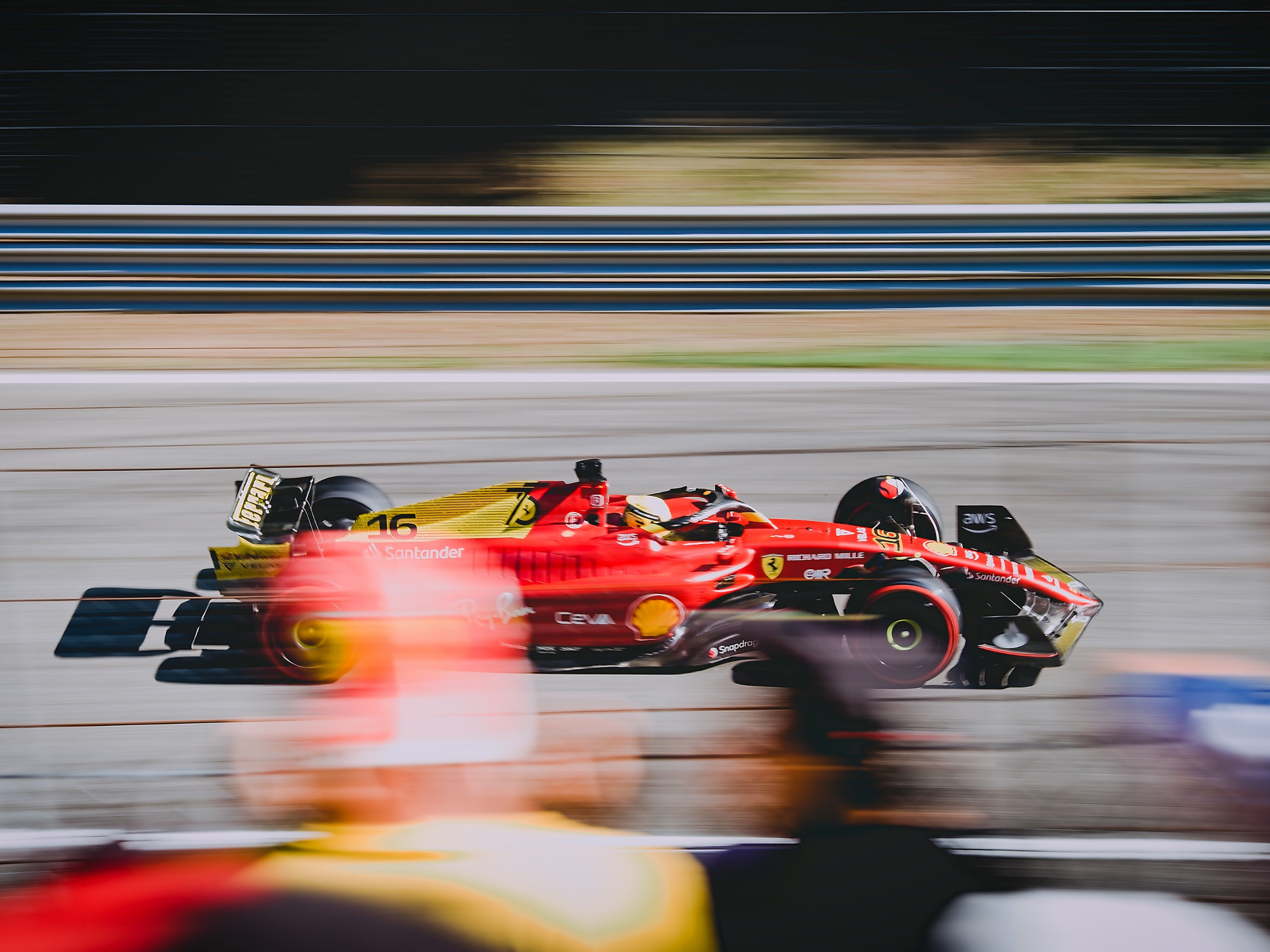
Formula 1 is no longer only a sport measured by speed, engineering and race results. It has become one of the most powerful stages for business, hospitality, brand positioning and global influence.
The race is still the center of the spectacle, but the business around it has expanded far beyond the track. Today, a Grand Prix weekend functions as a meeting point for executives, investors, founders, celebrities, sponsors and international brands. It is competition, but it is also networking. It is entertainment, but it is also strategy.
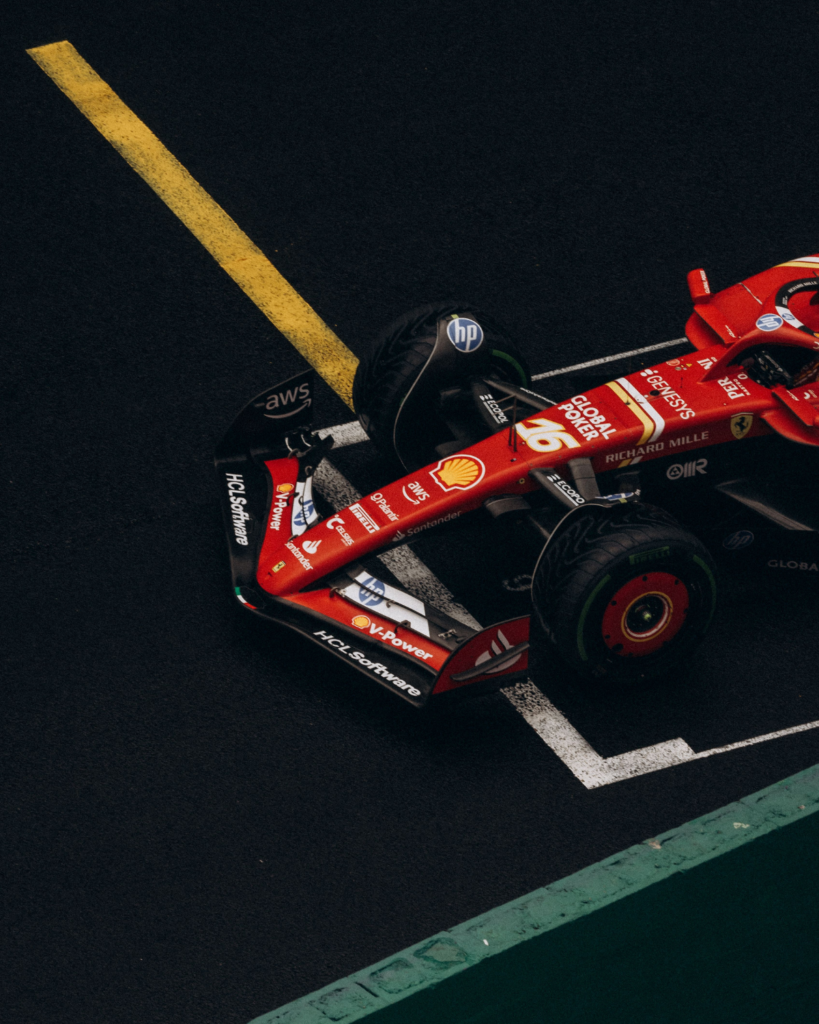
This shift explains why Formula 1 has become so attractive to companies that want more than visibility. Traditional sponsorship placed a logo on a car, a wall or a driver’s suit. The new model is more immersive. Brands are not only paying to be seen. They are building environments, hosting clients, creating private experiences and placing themselves inside the cultural atmosphere of the sport.
The arrival of LVMH as a long-term global partner of Formula 1 is one of the clearest signs of this transformation. Through maisons such as Louis Vuitton, Moët Hennessy and TAG Heuer, the partnership connects racing with craftsmanship, celebration, design and high-status hospitality. This is not simply a commercial agreement. It is a statement about what Formula 1 has become: a global platform where performance and lifestyle operate together.
Hospitality is now central to that ecosystem. The Paddock Club has long represented one of the most exclusive ways to experience a race weekend, offering privileged views, access to the pit lane, curated dining and proximity to the teams. But the category is evolving. New venues are being designed less like temporary sports structures and more like architectural experiences.
At Silverstone, The Vale reflects this new direction. Created as a premium hospitality destination at the British Grand Prix, it brings together design, food, entertainment, terraces and close views of the final corner and pit entry. The point is not only to watch the race. It is to enter a controlled environment where every detail, from seating to cuisine to sightline, becomes part of the experience.
For business leaders, this matters because access has become one of the strongest currencies in modern lifestyle. A Formula 1 weekend offers something that a traditional boardroom cannot: proximity, emotion, scarcity and shared memory. Deals may not be closed on the grandstand, but relationships are often shaped in the spaces around it.
This is why Formula 1 has become especially relevant for companies targeting high-value audiences. The sport combines global reach with a sense of selectivity. It attracts people who understand speed, risk, precision, data and performance — values that translate naturally into business culture. A founder, investor or executive watching Formula 1 is not only consuming entertainment. He is watching a world built around decision-making under pressure.
There is also a generational shift at play. Formula 1 has become more culturally visible, reaching younger audiences through streaming, social media, driver personalities and city-based race weekends. The sport now lives across platforms: on the circuit, in the paddock, inside private lounges, on Instagram, in documentaries and through brand activations that continue long after the checkered flag.
What makes Formula 1 especially powerful today is not only the race itself, but the world built around it. A Grand Prix weekend creates a rare environment where sport, capital, design, technology, hospitality and influence operate in the same space.
For brands, that space offers more than exposure. It offers proximity to a global audience that values performance, precision and access. For executives and investors, it offers a setting where relationships can be strengthened outside the formality of the boardroom. And for the sport, it creates a business model that extends far beyond ticket sales or broadcast rights.
The modern Grand Prix has become a stage for how influence moves. It is visible in the private lounges, the brand partnerships, the curated hospitality, the city circuits and the people who gather around the paddock. What was once centered almost entirely on racing has become a wider ecosystem of status, strategy and experience.
Formula 1 still sells speed. But increasingly, it also sells proximity.
Proximity to power.
Proximity to culture.
Proximity to the rooms where business, image and opportunity meet.
In that sense, the most valuable seat at a Grand Prix may not be the one with the best view of the track. It may be the one that places you inside the right conversation.
Business & Lifestyle files are reported by the desk and carry no byline.