For a long time, the business hotel was defined by practicality. A central location, a comfortable room, a reliable desk, a quiet lobby and a fast route to the next meeting were enough. The hotel existed between obligations. It was where executives stayed before returning to the real work somewhere else.
That idea is changing.
Today’s business traveler is not simply moving from airport to boardroom. Founders, investors, executives and decision-makers are operating across cities, time zones and social environments where work, reputation and lifestyle often overlap. The right hotel is no longer only a place to sleep. It is a place to prepare, recover, meet, connect and, in certain circles, be understood without explanation.
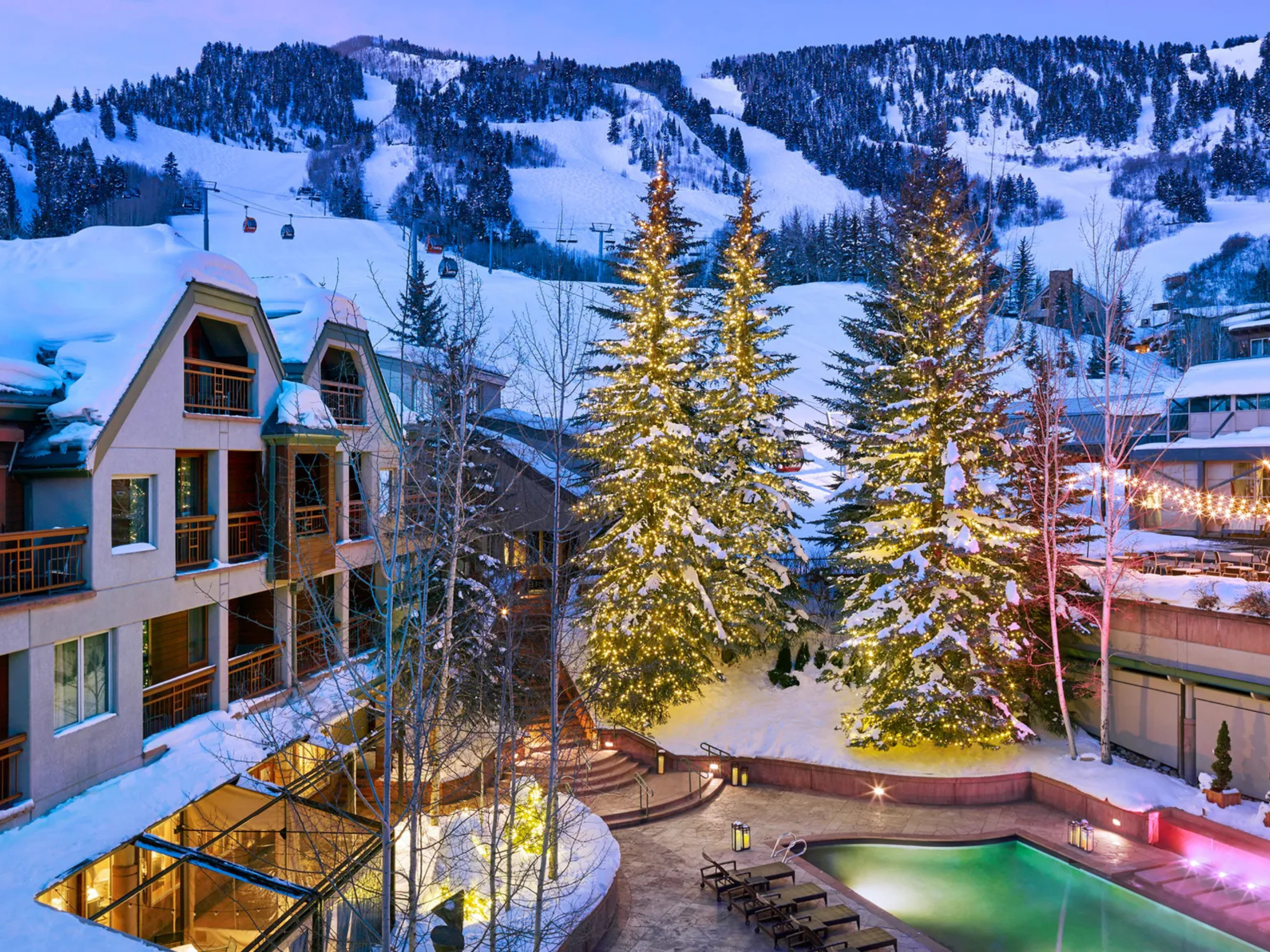
This shift is visible in the arrival of a new kind of high-end hospitality project. The launch of Nell Hotels, rooted in the legacy of Aspen’s The Little Nell, brings that conversation into sharper focus. Its upcoming New York property, The Nell New York, is expected to open inside Rockefeller Center, one of Manhattan’s most recognized cultural and corporate landmarks. More than a new address, it reflects a broader idea: the executive hotel is becoming less about accommodation and more about access.
For business leaders, access has many forms. It can mean proximity to financial districts, media centers, private dining rooms, galleries, members’ clubs or major cultural institutions. It can also mean discretion, recognition and the ability to move through a city without friction. The strongest hotels now understand that time is not only saved through location. It is protected through service, privacy and anticipation.
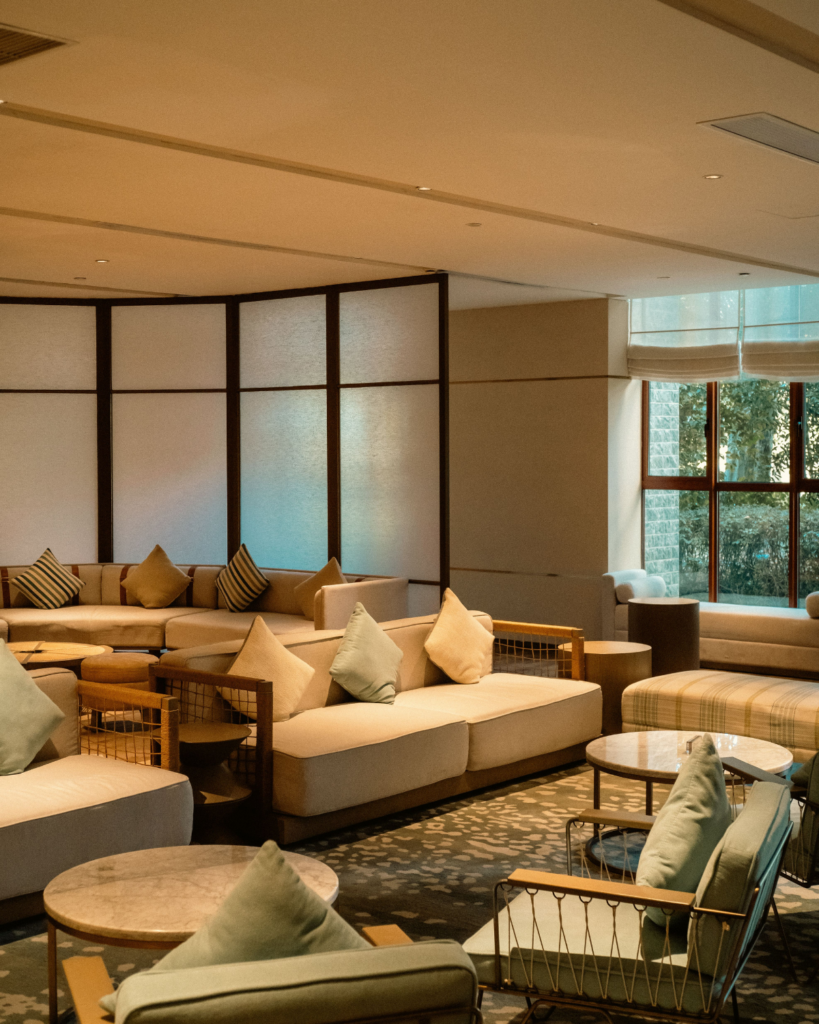
This is why the modern business hotel needs to perform on multiple levels. It must support work without feeling corporate. It must offer comfort without becoming anonymous. It must provide hospitality that feels personal, not scripted. A good room is no longer enough. Executives increasingly look for quiet lounges, strong restaurants, private meeting areas, efficient technology, wellness spaces and a sense that the hotel can become a temporary base of operations.
Dining has become part of that equation. For many business travelers, the hotel restaurant is not a secondary amenity. It is where conversations happen, introductions are made and long days are extended into something more valuable than a formal meeting. The same is true of wine programs, private rooms and bars that can hold both social ease and professional relevance.
Wellness has also moved from leisure category to business necessity. The executive traveler does not need wellness as decoration. He needs recovery. Sleep quality, fitness, spa treatments, calm interiors and the possibility of privacy all contribute to performance. In this context, a hotel’s ability to reduce noise, manage energy and create order becomes part of its value.
The future of business hospitality will likely belong to properties that understand this blend. Not every executive wants a large corporate hotel. Not every founder wants a traditional private club. Many want something more precise: a place that carries cultural intelligence, strong service and enough independence to feel personal.
The Nell New York points to this new standard. Set within Rockefeller Center, it is positioned at the intersection of business, culture, architecture and social access. That combination matters because the modern executive is not only choosing where to stay. He is choosing the environment that will shape how he arrives, who he meets and how he moves through the city.
For Galleria, this is the real story. The business hotel is no longer background infrastructure. It is becoming part of the business lifestyle itself.
The most relevant hotels for today’s leaders are not simply well located.
They are strategic.
They understand that travel is not only about movement. It is about performance, presence and access to the right rooms.
Business & Lifestyle files are reported by the desk and carry no byline.