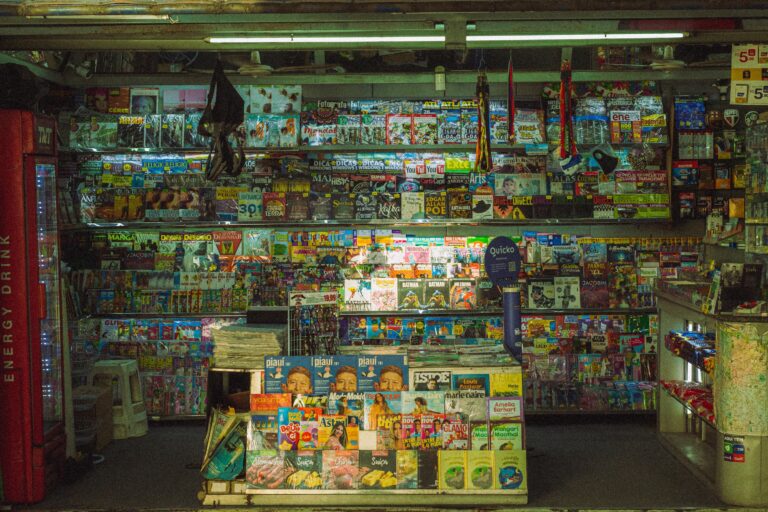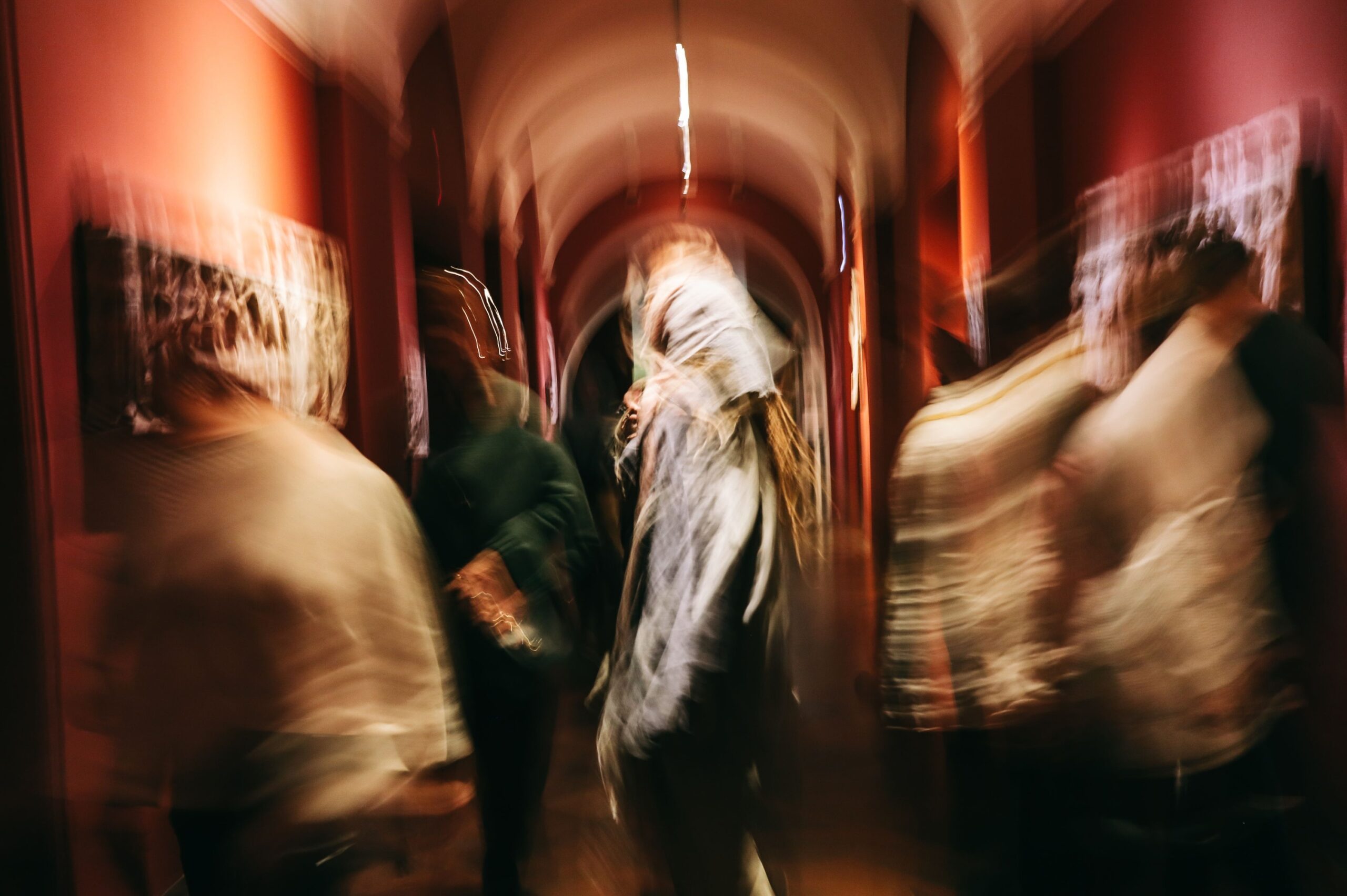
There was a time when Instagram rewarded perfection. Carefully arranged grids, immaculate campaign images, and captions revised until they sounded unmistakably like a brand were the language of digital aspiration. Then, somewhere along the way, perfection became less persuasive.
The pandemic accelerated that shift. As much of life moved behind screens, audiences were exposed to a different kind of intimacy. Bedrooms became offices, polished productions gave way to phone cameras, and the boundaries between public and private became increasingly blurred.
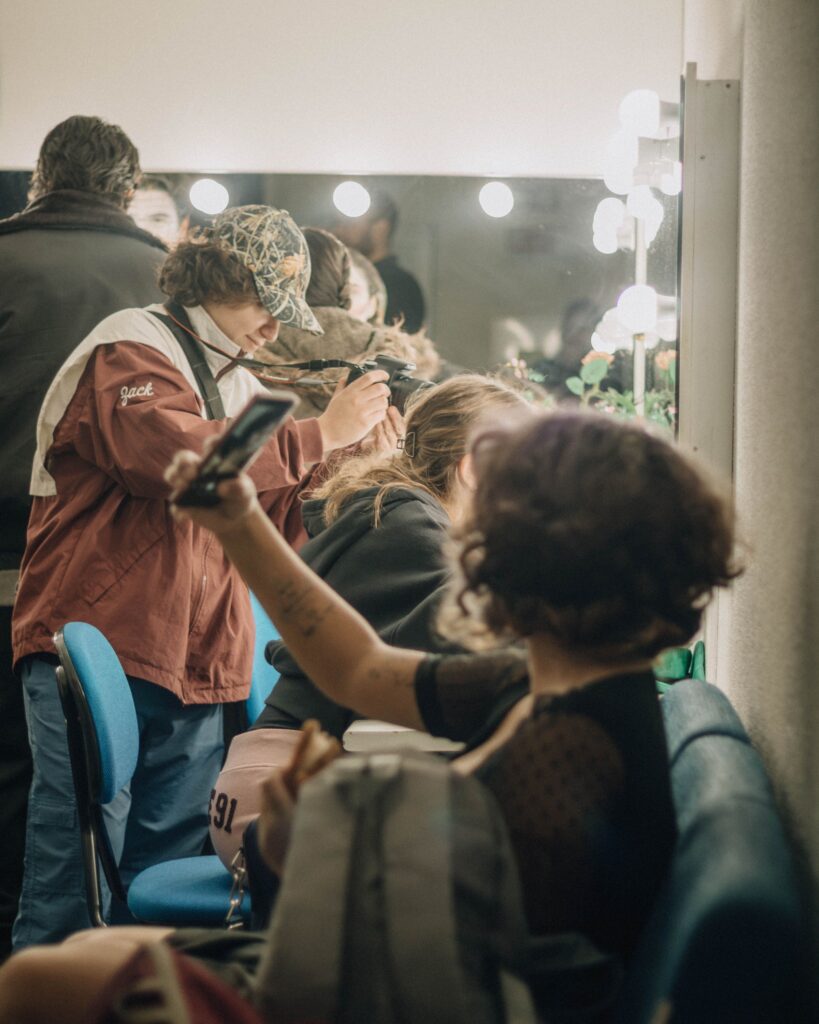
Shopping changed with it. Consumers did not stop wanting beautiful things, but the fantasy surrounding them became less convincing when it felt too carefully constructed. The aspirational image remained, but it began to share space with something messier: personality. Now, brands are taking that idea one step further by creating finstas.
Originally short for “fake Instagram,” finstas emerged as secondary, usually private accounts where users could escape the pressure of their main profiles. Bad photographs, inside jokes, screenshots, strange observations — everything too insignificant or imperfect for the grid belonged there. Their appeal came precisely from the feeling that nobody was trying too hard.
Today, that language has become a marketing strategy. Instagram itself operates @notfit4main, a secondary account filled with deliberately loose, unconventional content. Balenciaga creative director Pierpaolo Piccioli has taken a similar approach with @keeppprolling, mixing behind-the-scenes images, selfies, and fragments that would feel out of place on the fashion house’s carefully controlled main account.
These profiles sell differently because, at first glance, they barely seem interested in selling at all. Instead of presenting the finished campaign, they offer its leftovers: references, jokes, backstage moments, cultural observations. The consumer is invited not simply to look at the brand, but to feel slightly closer to the people and ideas behind it.
Of course, there is an obvious contradiction here. A real finsta was appealing because it existed outside the performance. A branded finsta is performance disguised as spontaneity. The blurry photograph may be intentional; the joke may have gone through approval; the apparently random post may sit comfortably inside a larger strategy.
But perhaps authenticity in advertising has never required the complete absence of strategy. What audiences increasingly reject is the feeling of being constantly advertised to. In a digital environment saturated with perfect images, and now increasingly with perfectly generated ones, imperfection can create something polish struggles to achieve: proximity.
The finsta, once created to escape the pressure of personal branding, has become one of branding’s newest tools. The irony is difficult to miss. But so is the lesson behind it: after years of learning how to make brands look perfect online, marketing is now learning how to make them feel human.
Business & Lifestyle files are reported by the desk and carry no byline.