
The most unsettling thing about Meta’s smart glasses may be how ordinary they look. Made in partnership with Ray-Ban, they take photos, record video and audio, play music, make calls and let the wearer ask Meta AI about whatever is in front of them. From across a room, they look like any other pair of glasses. A small LED is supposed to show when the camera is recording.
That subtlety is part of their success. It is also the problem. As the glasses have spread, so have videos of people who never knew they were being filmed. Some show creators approaching strangers, often women, and turning uncomfortable or harassing encounters into content. In one widely reported case, a woman in Austin learned that a casual conversation with a man at a grocery store had been recorded and posted online, where it passed eleven million views.
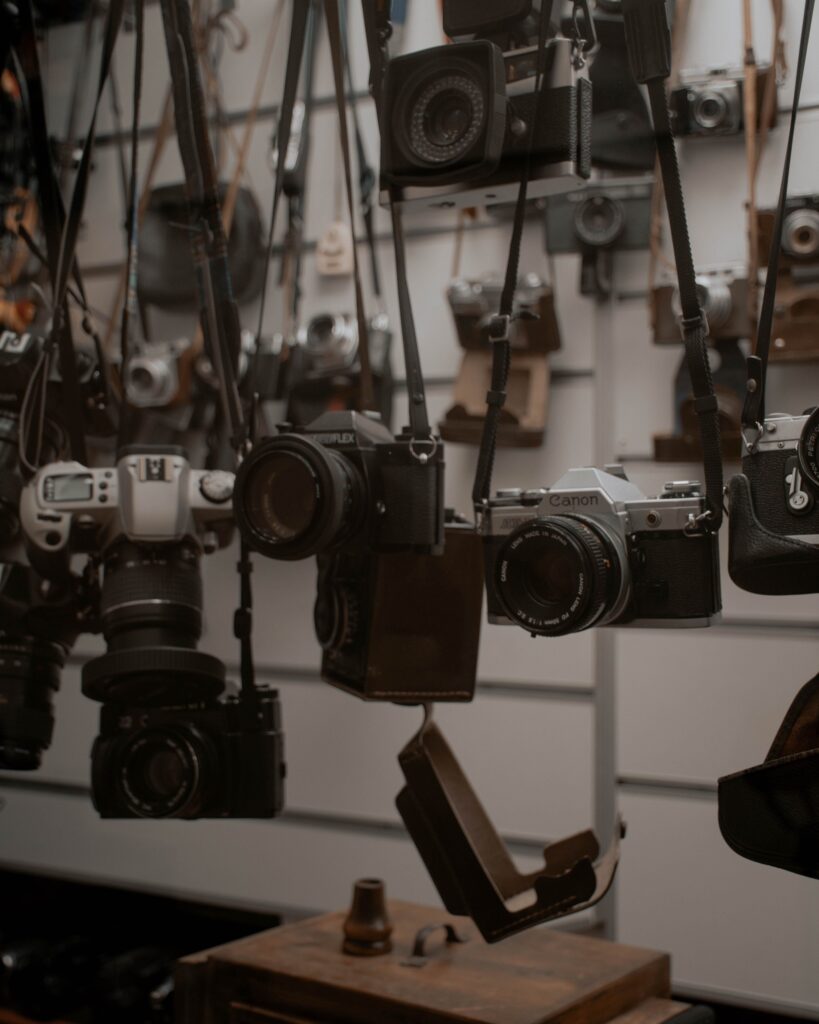
We have carried cameras in our pockets for years. But taking out a phone and pointing it at someone is a gesture people recognize. Smart glasses remove that gesture. The camera becomes something you wear, and the difference between looking at someone and recording them gets much harder to see.
Meta argues that the LED is a visible warning, and the glasses block recording when the light is covered. Still, a tiny light is a fragile substitute for consent. Someone has to notice it, know what it means and have time to react, while the recording may already be running.
The privacy question gets more complicated once AI enters the frame. When a wearer asks Meta AI about what they are seeing, images and voice go to the company’s systems, and in the United States voice recordings of those interactions are now stored by default. Meta says ordinary photos and videos stay on the user’s phone unless they are shared. Even so, the glasses place a camera and a microphone, linked to one of the largest technology companies in the world, inside everyday conversations.
Privacy has slowly become something we are expected to manage rather than something we are assumed to have. We accept cookies, adjust permissions, turn off tracking and dig through settings, while technology companies build ever more detailed maps of how we talk, where we go, what interests us and, now, possibly what we see.
Smart glasses take that relationship off the screen. The person being captured may not own the device, may not have a Meta account and may not know that any technology has entered the conversation.
Wearable AI is impressive. That part is settled. What is still open is what happens when surveillance looks exactly like an ordinary pair of glasses. Technology has spent years learning about us. Meta’s glasses suggest the next step is handing it our point of view.
Business & Lifestyle files are reported by the desk and carry no byline.