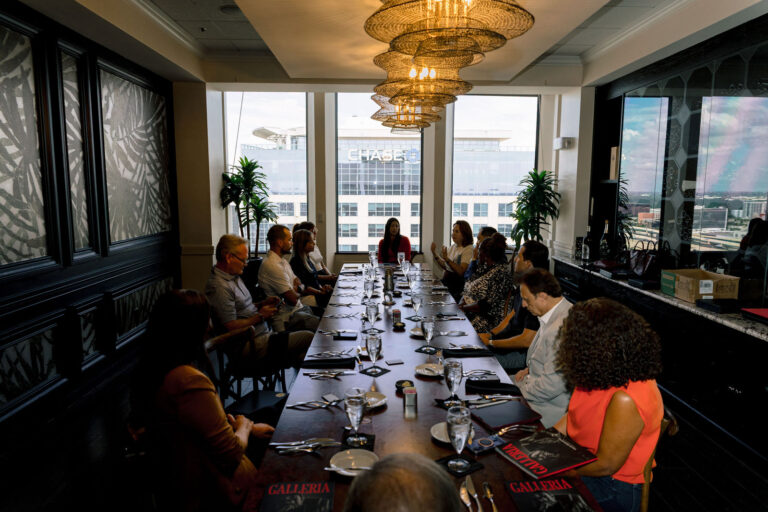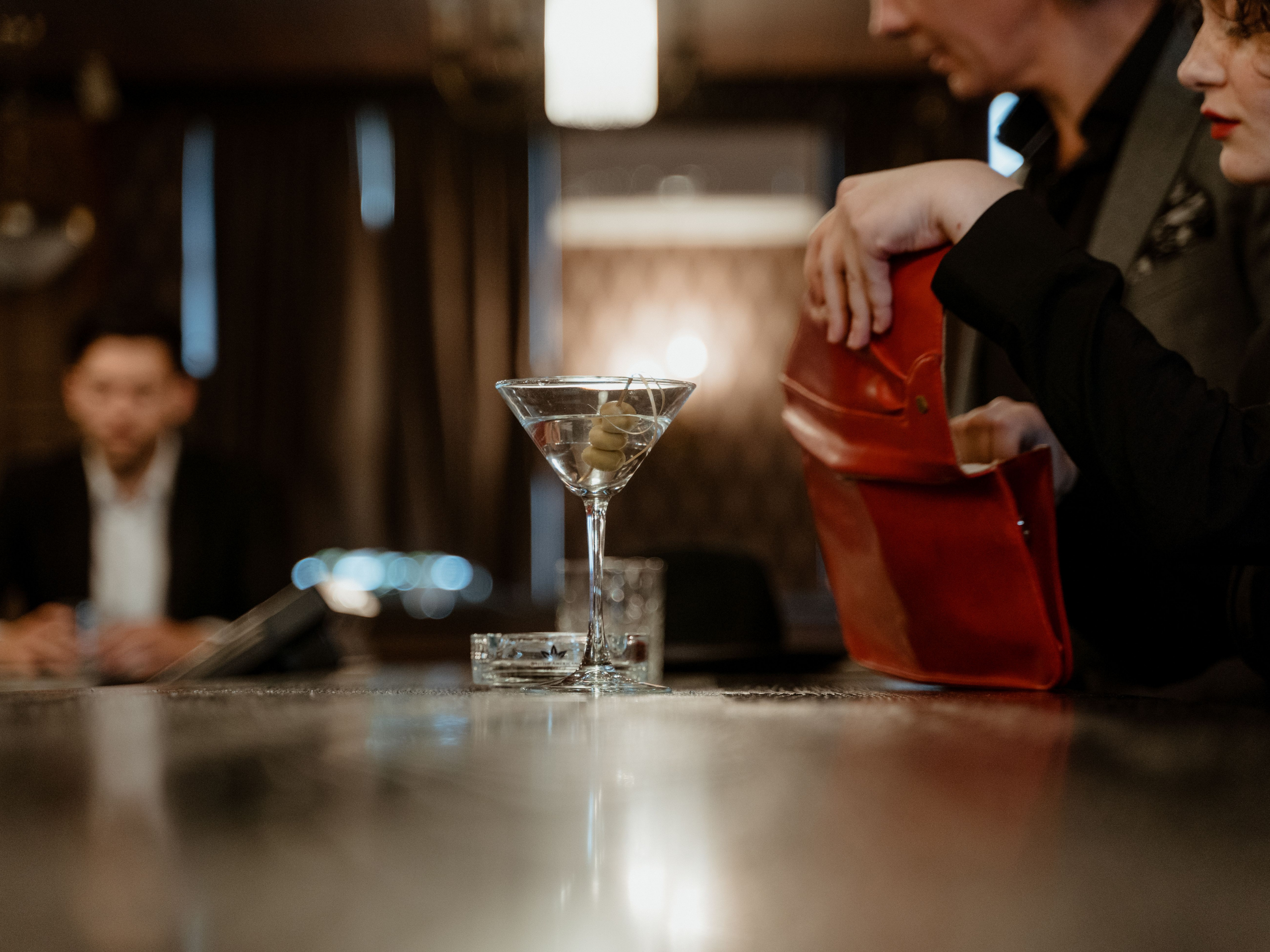
In an age of constant visibility, the private room is becoming powerful again.
For years, private members’ clubs were associated with tradition, inherited networks and old social codes. They were places built around discretion, ritual and belonging. But their relevance today is no longer tied only to nostalgia. A new generation of executives, founders, investors and high-net-worth individuals is looking for spaces that offer something increasingly rare: privacy, focus and access to the right people.

The modern private club is not simply a place to dine or socialize. It is becoming part of the infrastructure of business life. In cities where time is compressed, attention is fragmented and public spaces are increasingly exposed, these clubs offer controlled environments where conversations can happen with less noise and more intention.
That is the real shift. The value of a private club is no longer measured only by exclusivity. It is measured by usefulness. Who is in the room? What kind of conversations happen there? Can the space support a breakfast meeting, a private dinner, a work session, a wellness routine and an introduction that may matter months later?
The best clubs understand that their members are not only buying access to a building. They are buying access to a network, a rhythm and a certain level of curation. The restaurant, the bar, the meeting room, the gym, the cultural programming and the guest list are all part of the same proposition: a place where professional and personal life can overlap without feeling public.
This is especially relevant for business leaders whose lives no longer fit into one office or one city. Work now happens across airports, hotels, residences, conferences, private dinners and digital platforms. In that context, the private club offers continuity. It becomes a familiar base inside an unfamiliar city. A place to meet, recover, work, connect and move through a network with less friction.
The category is also evolving because expectations are higher. Members are not satisfied with prestige alone. A name on the door is not enough. They expect strong hospitality, thoughtful design, wellness spaces, relevant events, cultural intelligence and a community that feels intentional rather than crowded. Exclusivity may bring someone in, but value is what keeps them there.
This explains why private clubs are attracting attention from hospitality groups, real estate operators and investors. A successful club is more than a venue. It is a membership-based ecosystem with recurring revenue, emotional loyalty and a powerful sense of identity. In a market where experience and community carry measurable value, the private club has become a serious business model.
But the most interesting part of this return is cultural, not financial.
For a long time, status was connected to visibility. Being seen in the right restaurant, at the right event or in the right photograph carried social value. That still exists. But for many people operating at a higher level, the meaning of status is changing. The ability to avoid exposure, to choose the room, to control the environment and to speak without performance has become its own form of privilege.
In that sense, private clubs are not only about who gets in. They are about what becomes possible once inside.
A conversation that would feel too exposed in a restaurant.
A meeting that does not need to look like a meeting.
A relationship built through repeated proximity.
A space where business can move without announcing itself.
This is why the private room has returned with such force. It responds to a modern need for discretion in a world that documents everything. It offers privacy without isolation, community without mass access and hospitality without the anonymity of a hotel lobby.
For founders and executives, the most valuable rooms are not always the largest or the most visible. They are the rooms where attention is protected, introductions are curated and presence carries weight without needing to be performed.
The new private club is not just a symbol of lifestyle.
It is a geography of influence.
And in business, being in the right room has always mattered.
Business & Lifestyle files are reported by the desk and carry no byline.